Lien Chieu, Nam O and Thanh Khe: Worth the Ride? (2026)
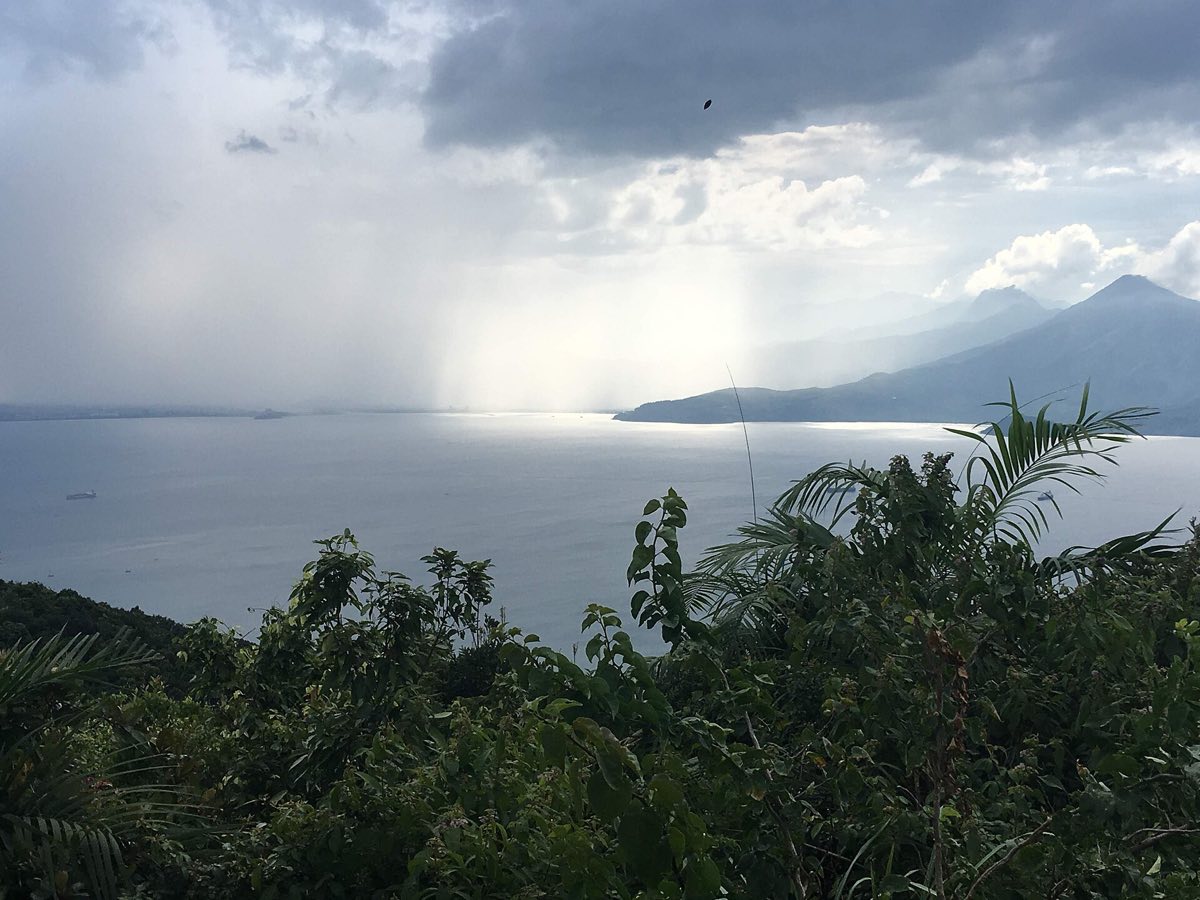
Liên Chiểu is the far northwest of Da Nang, on the city's second coastline: Đà Nẵng Bay, facing north along Nguyễn Tất Thành, calm and near-waveless and almost entirely ignored by visitors. It is an industrial and port district plus the university zone, and it is not a place to stay — the bay is not a swimming coast, there is nothing walkable, and you are 10–15km from everything you came for. It is a genuinely good half-day: the moss-covered Nam Ô Reef, which only looks like the photographs from January to March; the fish-sauce village and its raw anchovy salad; the cheapest food in the city in the student quarter; and the Mikazuki indoor water park from 350,000₫, which is the toddler answer when the surf coast has waves.
The coastline nobody talks about
Da Nang has two seafronts, and almost every guide only knows about one.
The famous one is the 30km east-facing beach strip. The other runs north-west along Nguyễn Tất Thành from Thanh Khê out to Nam Ô, fronting Đà Nẵng Bay. It is calm, near-waveless and much murkier than the ocean coast, with traffic noise from the road and effectively zero tourists. Knowing it exists explains half the confusing directions you will read about the northwest of this city.
Going out along it: Thanh Khê first — local, dense and practical, with the railway station, a working seafood market and strong local food. Then Hòa Khánh, the university and industrial zone, which has the cheapest eating in Da Nang and a student night market to prove it. Then Xuân Thiều, the calm bay beach the Japanese Mikazuki resort and water park is built on, which everybody calls Red Beach. Then Nam Ô at the mouth of the Cu Đê river, the fish-sauce village, at about the 15km mark. Beyond that the road climbs into the Hai Van Pass.
Distances from the beach side, because that is where you will be staying: the My Khe strip is roughly 12km southeast of Nam O, Hai Chau about 10km, and the airport around 9km. Budget 25–35 minutes by Grab each way, or ride it — the Nguyen Tat Thanh coast road is flat and fast, and it is the natural first leg of a Hai Van day.
One thing to have in your head: the Lien Chieu deep-water port is under construction. This district is being industrialised, not gentrified, and anything you read about it will age quickly in the wrong direction.
The four reasons to ride northwest
Nam O Reef, the moss-green one
The rock shelf at the Cu De river mouth grows a carpet of green moss in the cool months and becomes one of the most photographed things in central Vietnam. The season is roughly January to March and outside it you are looking at bare grey rock. Go at low tide, wear something with grip, and treat every photograph you have seen of it as a January photograph, because it is.
Nam O fish sauce and goi ca Nam O
Nam Ô has made nước mắm for centuries and still does, in barrels, in courtyards, at a scale the supermarket brands do not operate at. The dish to eat here is gỏi cá Nam Ô — raw anchovy cured and dressed as a salad, wrapped with herbs. It is a genuine regional specialty that barely exists outside this village and it is not on any beach-strip menu.
Xuan Thieu Red Beach and Mikazuki
The bay water here is calm and near-waveless, which makes Xuan Thieu the toddler option on the days the ocean coast is churning. It is murkier than My Khe and nobody would pick it on a flat-sea day. The real draw is the Japanese Mikazuki resort's indoor water park with a genuine onsen: 350,000₫ adult and 170,000₫ child on a weekday, 400,000₫ and 250,000₫ at weekends, onsen included.
Hoa Khanh student quarter and its night market
The university zone, and the cheapest eating in the city by a clear margin — student pricing, student portions and a night market that is entirely local. There is no English and no reason to come unless cheap food in an unglamorous setting is the point, in which case this is the most honest version of it in Da Nang.
Thanh Khe, the railway district
Local, dense and practical: Da Nang's railway station, a working seafood market and very good cheap food. It is the sensible base for exactly one kind of traveller — someone taking the 2h48 train to Hue through the Hai Van Pass, which is one of Asia's great short rides. Budget guesthouses only, and the bay in front of it is not a swimming coast.
Lien Chieu and Thanh Khe as a base, honestly
Short answer: no. The longer answer is that there are two narrow cases where it makes sense, and it is worth knowing which one you are in before you book something 12km from the beach because it looked cheap.
| If you are | Verdict | Why | Where instead |
|---|---|---|---|
| A first-time visitor | SKIP | You are 10–15km from the beach, the food and the bridges, on a bay you cannot swim in, next to a port under construction. | The My Khe strip, km 4.5 |
| Travelling with a toddler in monsoon season | DEPENDS | Xuan Thieu's calm bay water and Mikazuki's indoor park are the genuine answer when the ocean coast is red-flagged. Worth one or two nights, not a week. | Day-trip it from My Khe |
| Taking the train to Hue | DEPENDS | Thanh Khe puts you next to the station for the 2h48 run through the Hai Van Pass. Budget guesthouses only, and the food around the station is very good. | Or stay in Hai Chau, 10 minutes away |
| Chasing the Nam O reef photograph | SKIP | It is a 25–35 minute ride from the beach side and it is a one-hour stop. Nothing about it justifies moving your bags. | Ride out from An Thuong at dawn |
| On a very tight budget | SKIP | Hoa Khanh food is cheaper, but Hai Chau already gives you $5–8 dorms in the middle of the city with the best food in Da Nang around them. | Tran Phu and the Han Market blocks |
There is no Booking.com neighbourhood search worth running for Lien Chieu — inventory is thin and mostly aimed at contractors and students. If you want the bay, book the Mikazuki resort itself; if you want the city, book the city.
An industrial district with three good hours in it
This is not an undiscovered neighbourhood. It is a working port about to get bigger.
Lien Chieu is where Da Nang keeps its industry, its university and, shortly, its deep-water port. The Lien Chieu port project is under construction and the trajectory for this district is more freight, more trucks and more industrialisation, not boutique hotels. Any guide describing it as an up-and-coming area has confused a construction crane for a cocktail bar.
The bay itself deserves a straight sentence: Đà Nẵng Bay is not a swimming coast. It is calm, which is the whole appeal for people with small children, and it is also murkier than the ocean side, backed by a busy road, and nobody swims there for pleasure when the east coast is flat. Use it as a plan B in the monsoon, when the ocean at My Khe is red-flagged and useless anyway.
What is genuinely worth the ride is narrow and specific: the reef in the right three months, the fish sauce and the anchovy salad, and an indoor water park with an onsen that is the single best rainy-day asset in the city. Three hours, one Grab each way, and back to the beach side to sleep. That is the correct shape of a Lien Chieu day.
Lien Chieu and Nam O, practically
The two bookable things in the northwest
Almost nothing up here is a ticketed product, which is part of its appeal. The exceptions are the water park and the transport, and both are worth pricing against the gate rather than assuming a reseller is cheaper.
Lien Chieu and Nam O FAQ
When is Nam O Reef green?
Roughly January to March. The moss carpet that makes every photograph of it work is seasonal, and outside those months you are standing on bare grey rock at a river mouth. Go at low tide. It is free, it takes about an hour, and it is 12km northwest of the beach strip.
Is Xuan Thieu Red Beach worth visiting?
As a swimming beach, only when the ocean coast is unusable. The bay water is calm and near-waveless, which is genuinely useful for toddlers, but it is murkier than My Khe and backed by a main road. The reason most people come is the Mikazuki water park on the front of it.
How much is Mikazuki water park?
350,000₫ for an adult and 170,000₫ for a child on a weekday, 400,000₫ and 250,000₫ at weekends, and the price includes the onsen. It runs 09:00–22:00 Monday to Friday. It is indoors, which makes it the strongest rainy-day option in Da Nang between September and December.
Should I stay in Lien Chieu or Thanh Khe?
Almost certainly not. You would be 10–15km from the beach, the food and the bridges, on a bay you cannot swim in. The one defensible case is Thanh Khe if you are taking the 2h48 train to Hue through the Hai Van Pass and want to be next to the station. Otherwise stay in Hai Chau or on the beach strip.
What is goi ca Nam O?
Raw anchovy, cured and dressed as a salad with herbs and rice paper — the specialty of the Nam O fish-sauce village and a dish that barely exists outside it. If you are riding out to the reef, this is the reason to stay for lunch. More regional dishes on what to eat in Da Nang.
Is Da Nang Bay good for swimming?
Not really. It is calm and near-waveless, which is why families with small children use it when the ocean is rough, but the water is murkier, the road runs right along it and no local would choose it over the east coast on a flat day. Treat it as the monsoon fallback, not an alternative beach.
How do you get to Nam O from Da Nang?
About 12km northwest of the beach strip along Nguyen Tat Thanh — 25–35 minutes by Grab, or a flat, fast ride on a scooter. It is the natural first stop on a Hai Van Pass day, since the pass road climbs out of the same corner of the city.
Is there anything to do in Hoa Khanh?
Eat, cheaply. It is the university and industrial zone, it has the lowest food prices in Da Nang and a student night market, and there is no English and no tourism infrastructure at all. Worth it if that is the point of the visit; otherwise skip it and go to Con Market instead.